Rohingya Families Left Without Shelter as Demolitions Continue in Jammu, India
3 October 2026
Rohingya families in Jammu, India, are again facing homelessness after authorities demolished nearly a dozen huts in Rahim Nagar, within the Raika Forest on the outskirts of the city, on 3 October. Officials said most of the structures were occupied by Rohingya and described the operation as an anti-encroachment drive on forest land. The action was carried out by the Forest Department with the Forest Protection Force, revenue authorities and police. Officials maintained that the operation was directed against unauthorized structures rather than any particular community and said residents had previously been warned.
For the families who lost their shelters, however, the immediate reality is much simpler: they have nowhere secure to live. Rohingya residents told reporters that they had fled persecution in Myanmar, had lived in the area for years and now faced uncertainty about where their children would sleep. Abdul Khaliq, identified in local reporting as a Rohingya resident, said the community had escaped oppression in Myanmar and was not living in Jammu by choice. He said affected families did not know where they could now go.
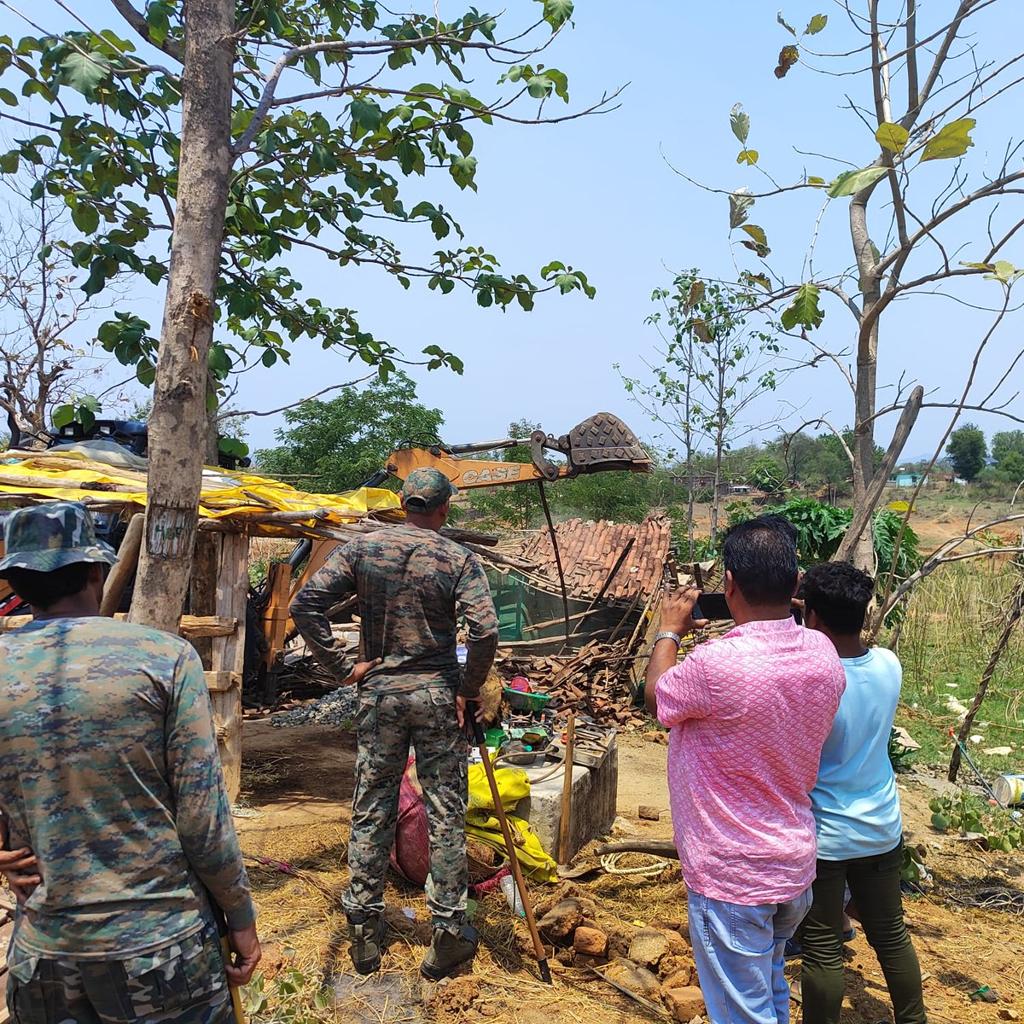
For many Rohingya, such scenes represent another stage in a much longer history of displacement. The people now dismantling makeshift shelters in India did not begin their lives as refugees. Rohingya families in Arakan possessed homes, farms, businesses, livestock, fishing livelihoods and community networks before successive waves of persecution and violence drove hundreds of thousands from Myanmar. The loss experienced in exile therefore cannot be measured by the material value of a hut. For a family that has already lost its home country, even a temporary shelter may be the only place where children can sleep safely and belongings accumulated after years of displacement can be kept.
The present situation is made still more serious by conditions inside Myanmar. Safe and sustainable return to Arakan is not presently available to Rohingya refugees. Myanmar's military bears responsibility for decades of persecution and for the 2017 atrocities that drove more than 700,000 Rohingya into Bangladesh. Today, responsibility for the safety and rights of Rohingya remaining in Arakan also extends to authorities exercising territorial control. In large parts of northern Arakan, that means the Arakan Army and its political administration. Recent United Nations reporting has documented widespread and systematic abuses against Rohingya by both Myanmar's military and the Arakan Army, including arbitrary detention, torture, forced labour and recruitment, confiscation of land and residential property, and destruction of villages and religious sites.
The Arakan Army disputes allegations that it deliberately targets Rohingya civilians and has said that its military operations comply with international humanitarian law. However, investigations by Human Rights Watch and recent UN reporting have documented serious abuses attributed to its forces. These findings matter directly to refugees in India and elsewhere: telling Rohingya simply to return to Myanmar does not resolve their displacement when the conditions required for a safe, voluntary and dignified return do not exist.
Host countries also have responsibilities toward people living within their territory. India has legitimate authority to enforce land and environmental laws, and officials in Jammu say the current demolitions concern unauthorized occupation of forest land rather than ethnicity. But enforcement of land rules and humane treatment of displaced families are not mutually exclusive. Where families with children are removed from shelters, their vulnerability, safety and basic human dignity should be considered. Homelessness should not become the answer to displacement.
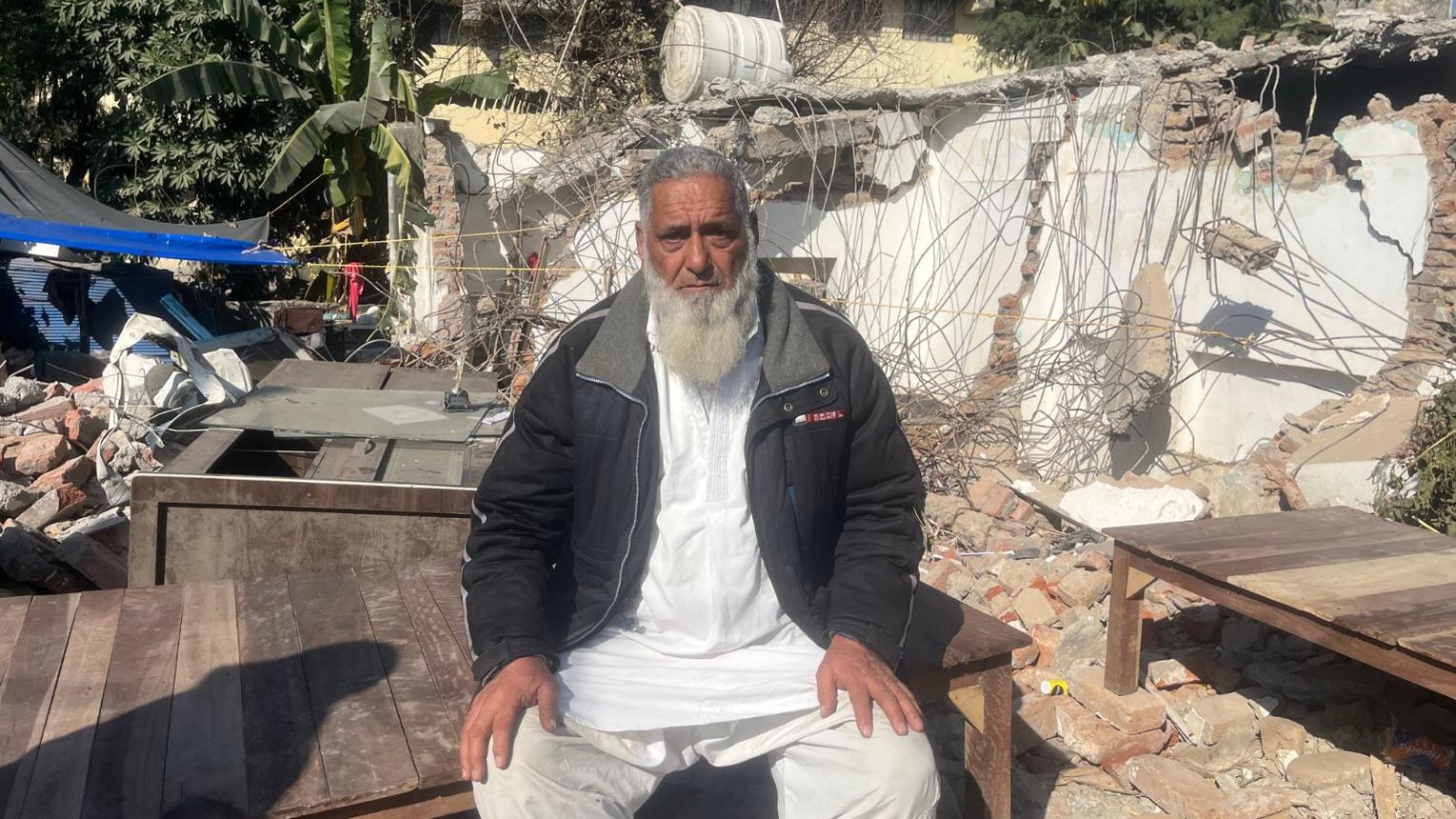
The families affected in Jammu illustrate the wider tragedy of the Rohingya condition. Many cannot return safely to the homeland from which they were driven, yet they remain insecure in the countries where they have sought refuge. Some have spent years rebuilding their lives from almost nothing, only to face displacement again. A family that once possessed a home in Arakan can end up gathering its few belongings beside the ruins of a makeshift hut thousands of kilometres away.
Responsibility for ending this cycle begins with creating conditions in Myanmar in which Rohingya can return voluntarily, safely and with their identity, citizenship, property and fundamental rights protected. Myanmar's authorities remain central to that responsibility, while the Arakan Army, as the dominant authority across much of Arakan, also bears responsibility for protecting civilians and respecting the rights of Rohingya living in areas under its control. Until such conditions exist, countries hosting Rohingya should recognize the extraordinary vulnerability produced by repeated displacement and ensure that law enforcement does not result in treatment incompatible with human dignity.
The Rohingya families of Jammu are not asking to live without law. They are asking not to be left without a place to live. They are refugees and displaced people, but before every other description, they are human beings. Their right to dignity should not disappear simply because their home is made of bamboo, wood, plastic or corrugated metal.