Images: From Removal to Segregation: State Policy, Rakhine Nationalism and the Confinement of the Rohingya
8 images associated with this article.
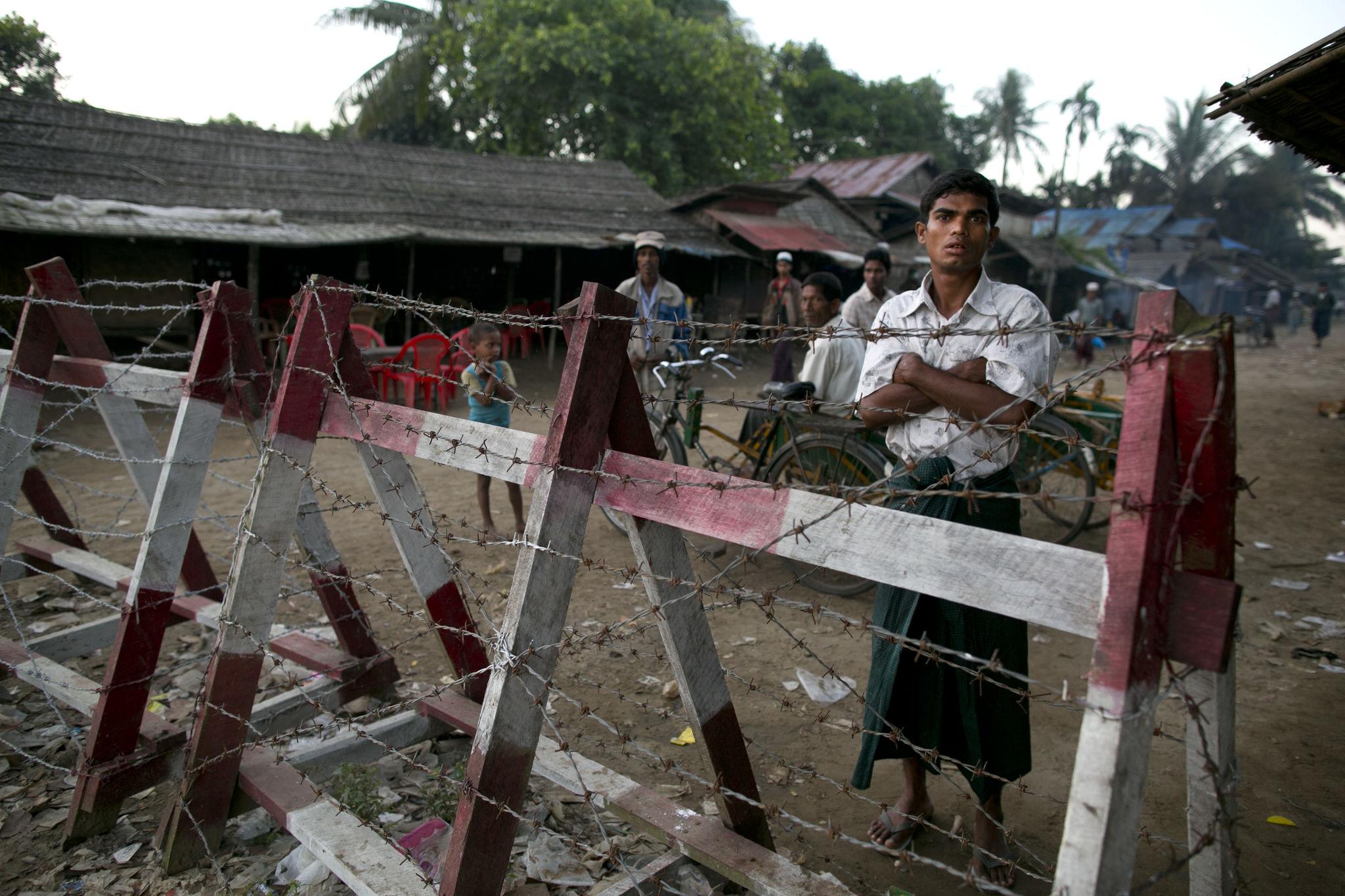
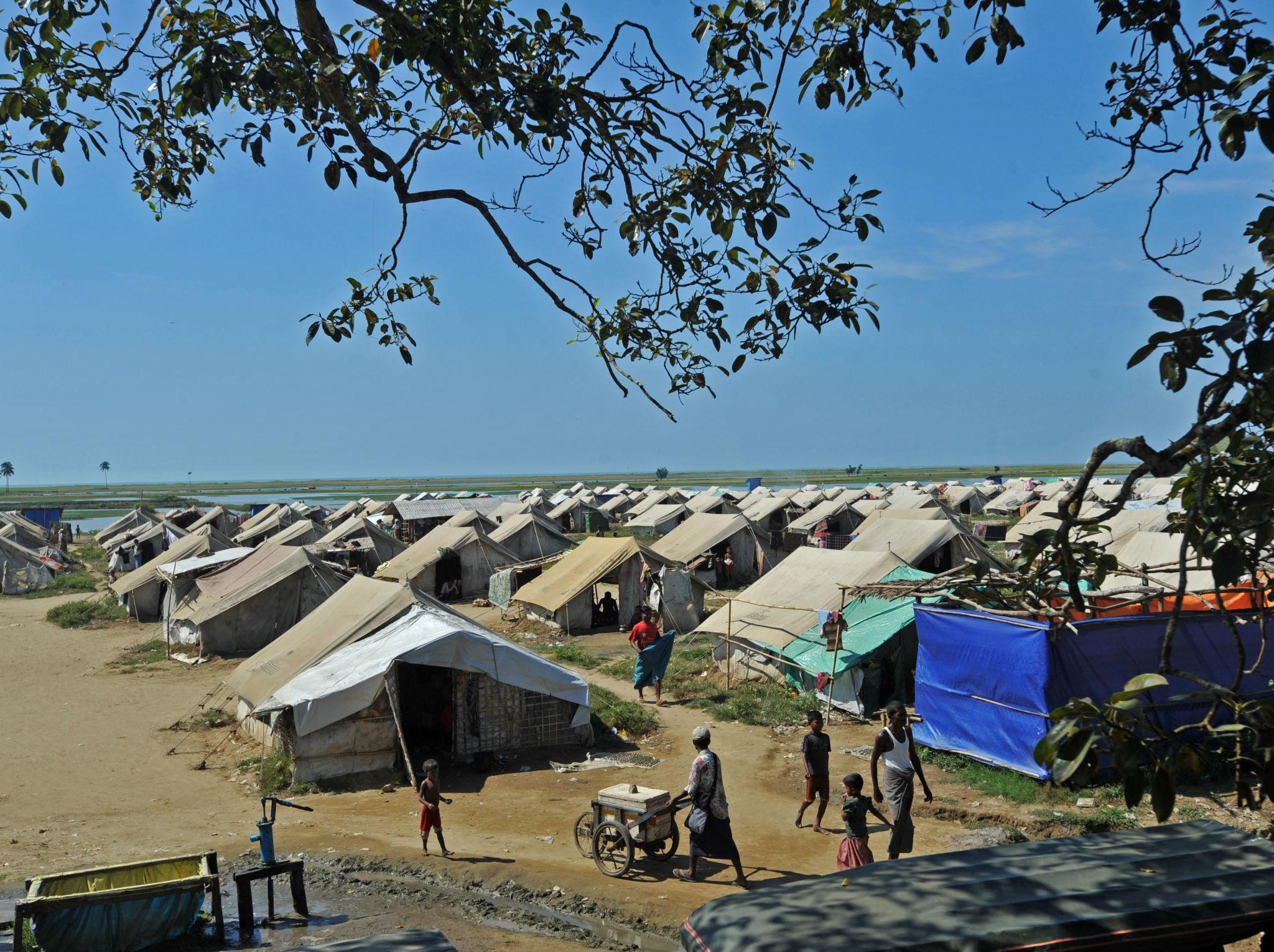
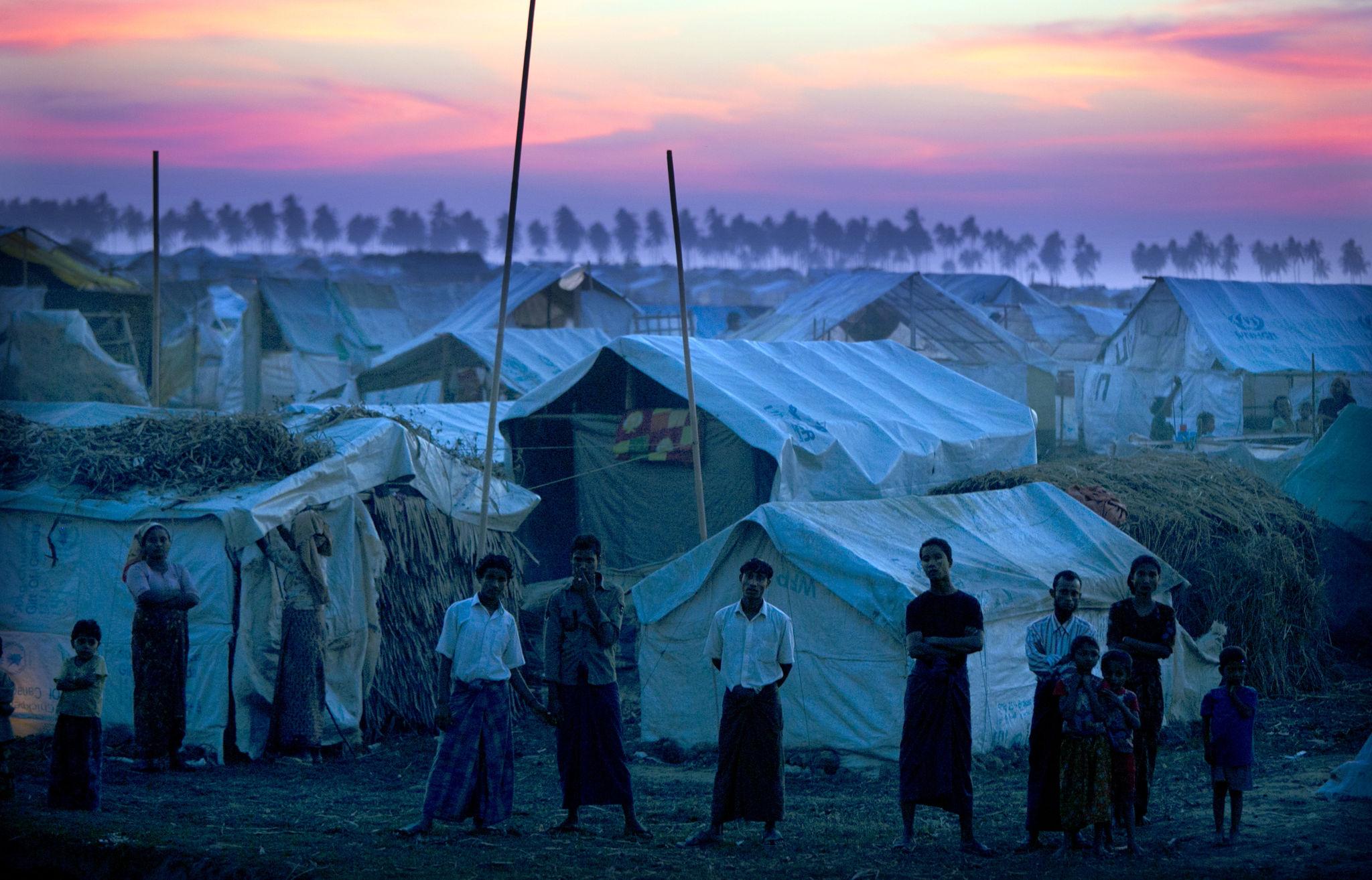
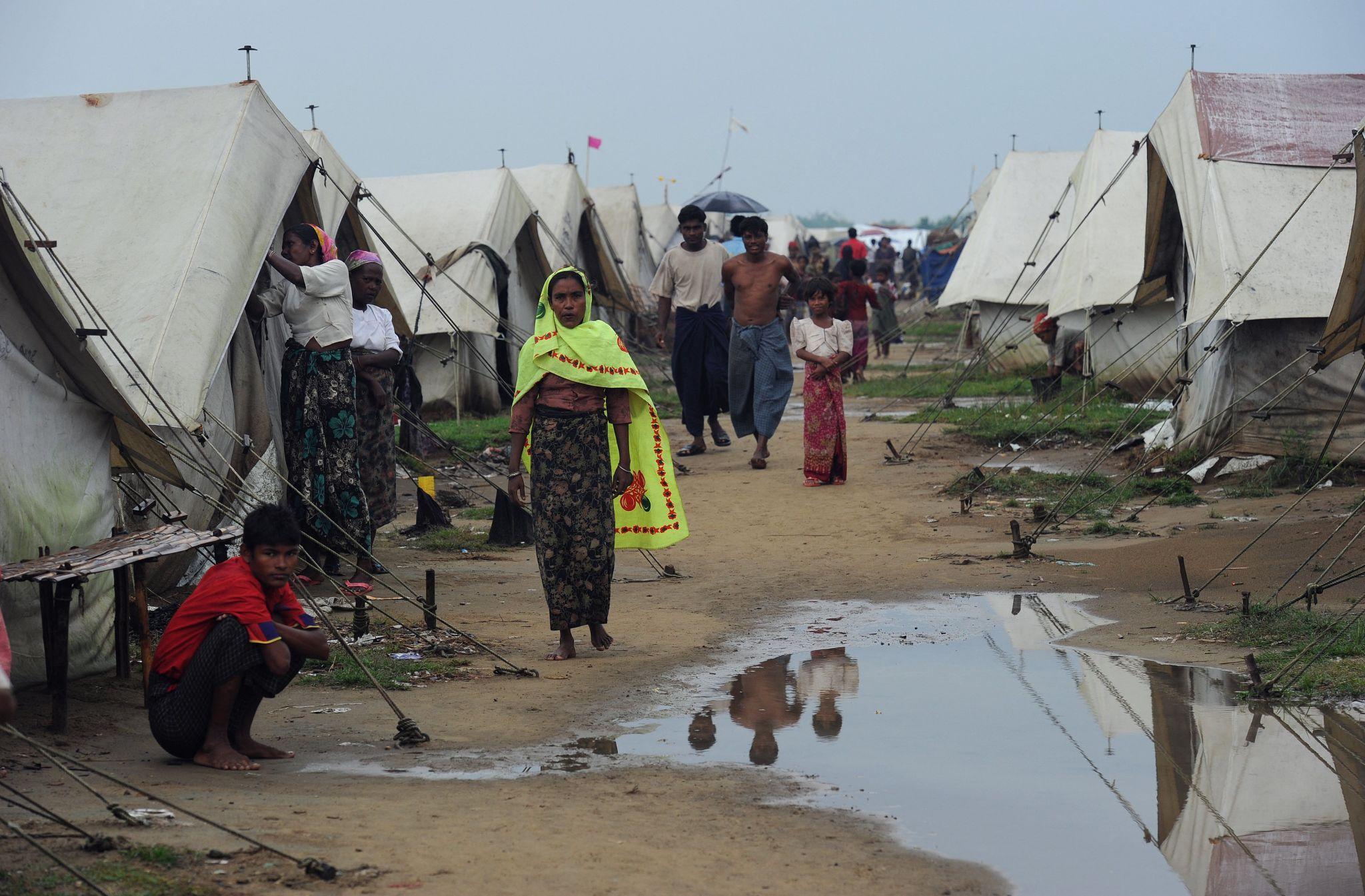
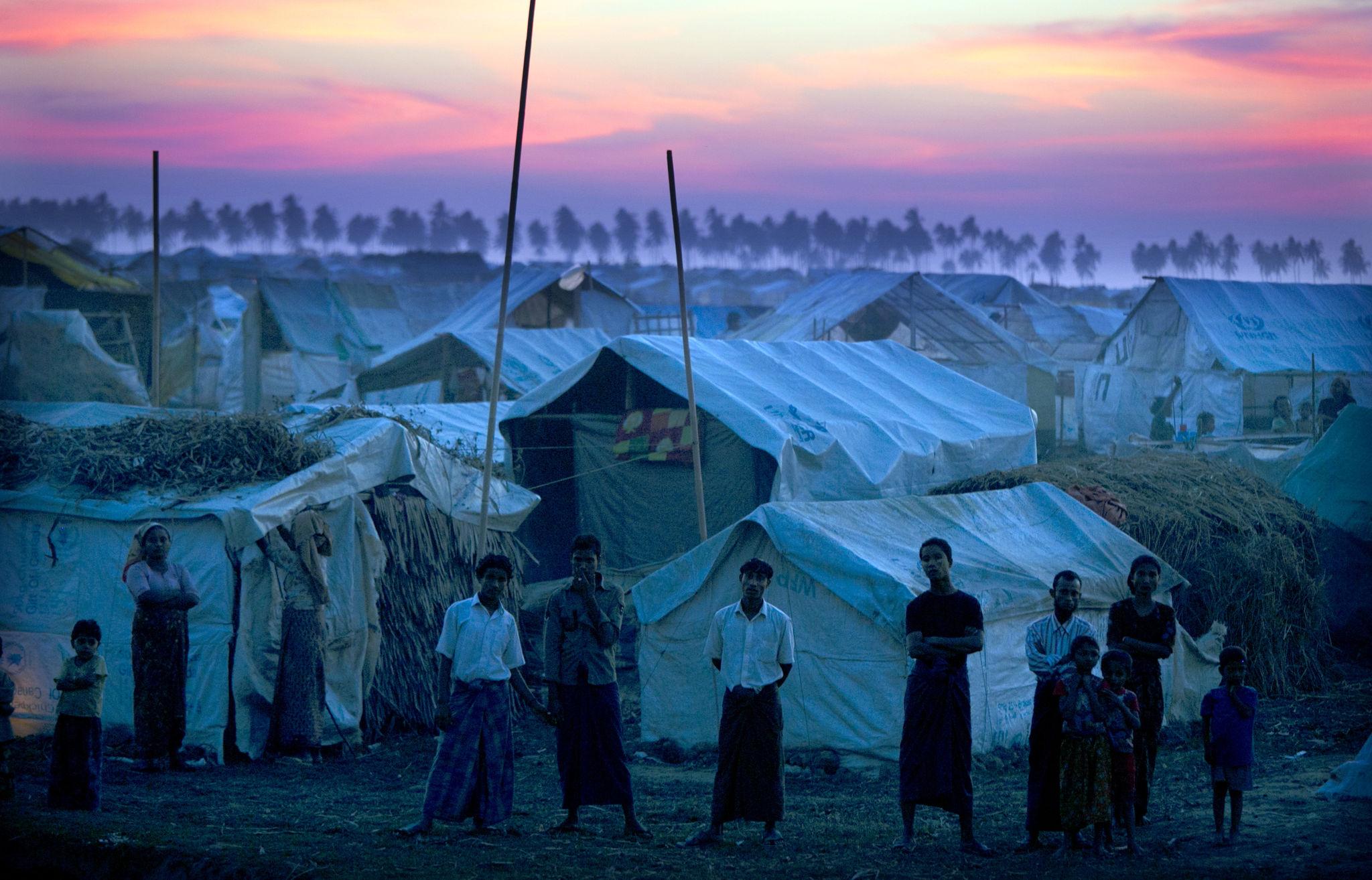
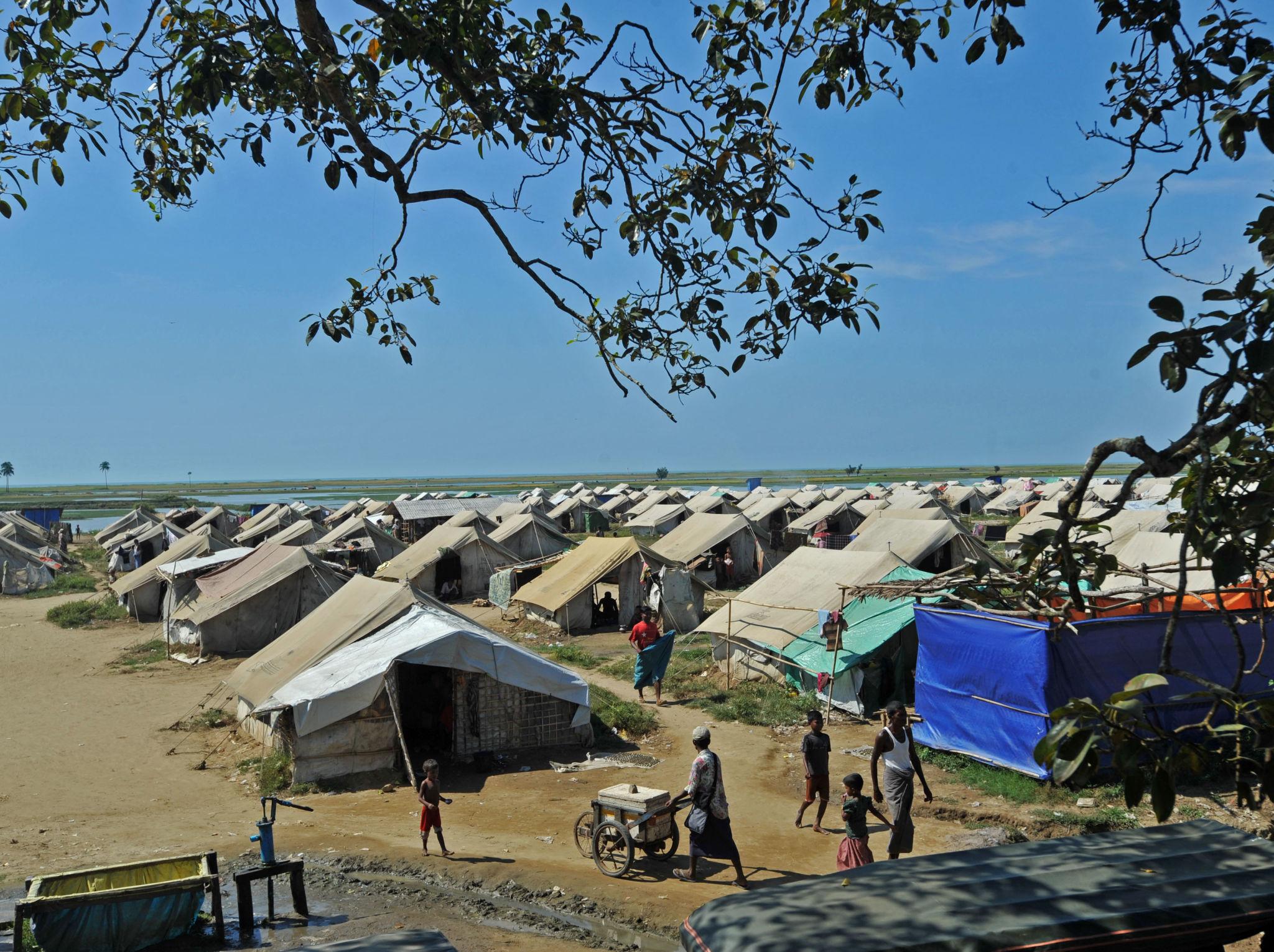
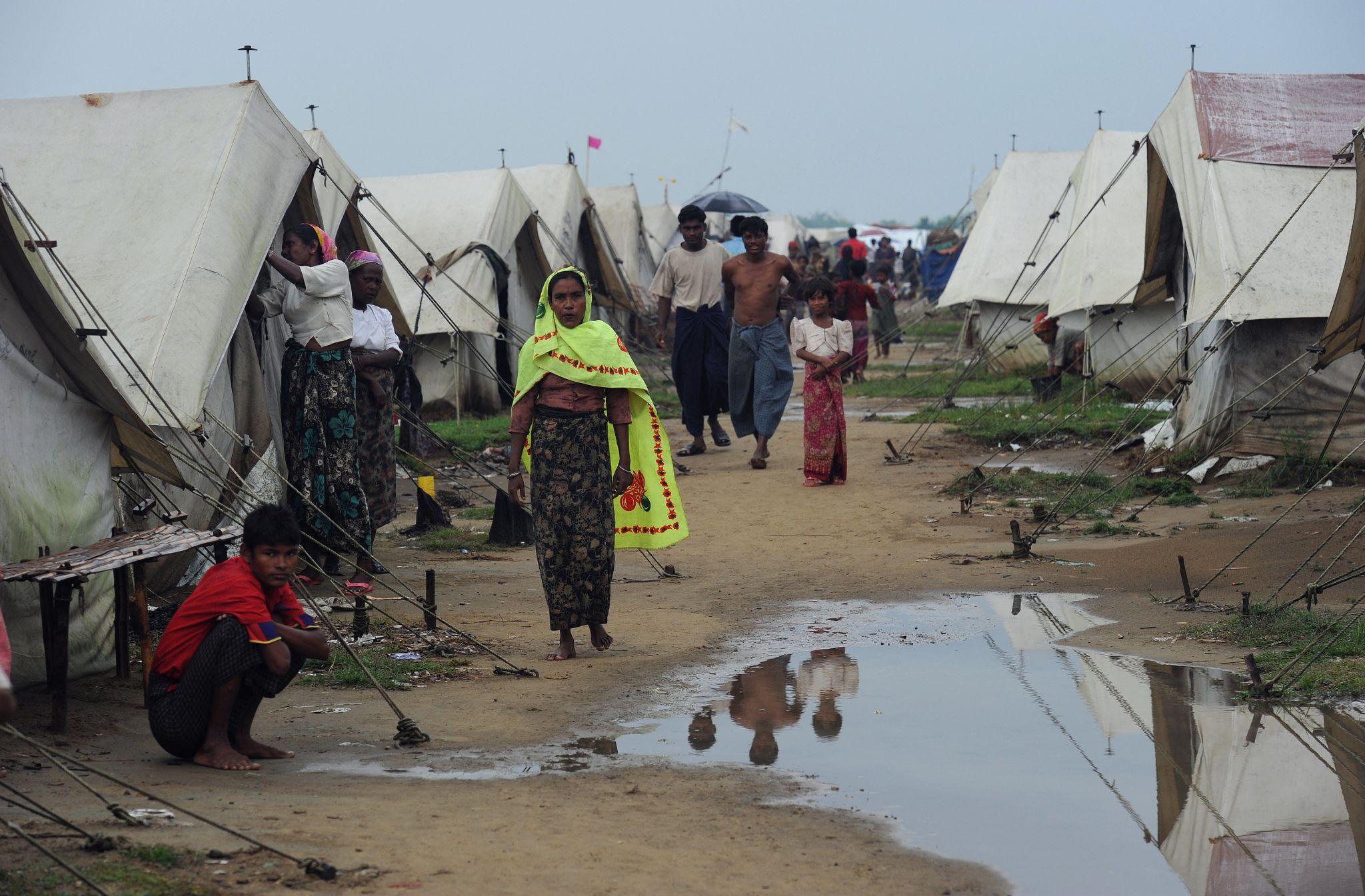
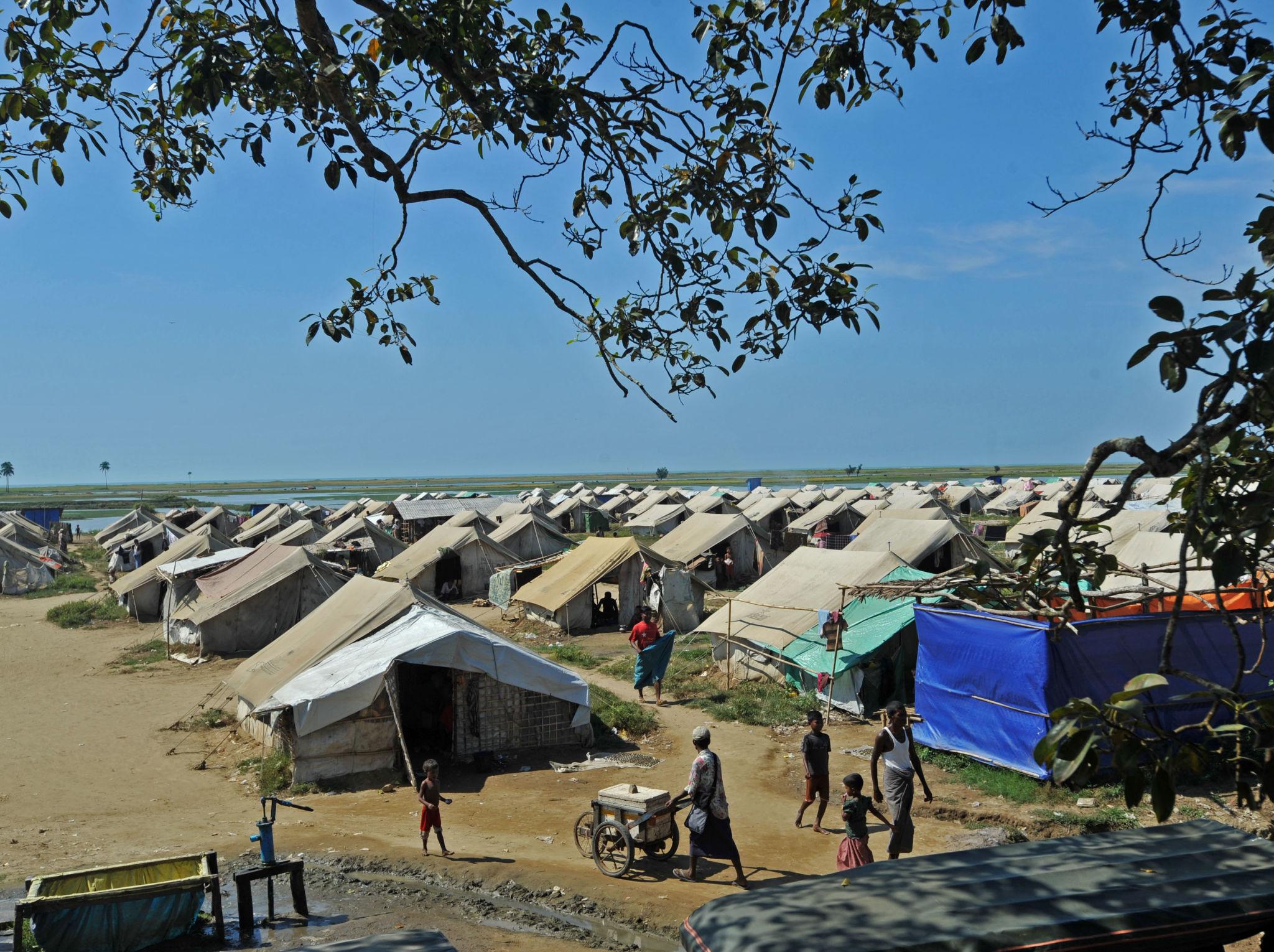
A Rohingya man stands behind a barbed-wire barrier at an internally displaced persons camp near Sittwe, Arakan State, in November 2012. Following the violence of 2012, displaced Rohingya were increasingly confined in segregated camps and subjected to severe restrictions on movement.Rohingya displaced following the 2012 violence in Arakan State. Thousands of families were forced from their homes and subsequently confined to camps and segregated areas, contributing to a long-term system of displacement and restricted movement.Rohingya families living in displacement camps in the Sittwe area of Arakan State after the 2012 violence. The displacement that followed the attacks developed into prolonged segregation, with Rohingya facing severe restrictions on movement and access to essential services.Rohingya families living in a displacement camp in Arakan State following the 2012 violence. Thousands of Rohingya were forced from their homes and confined to camps and segregated areas, where restrictions on movement contributed to prolonged displacement and isolation.Rohingya displaced following the 2012 violence in Arakan State. Thousands of families were forced from their homes and subsequently confined to camps and segregated areas, contributing to a long-term system of displacement and restricted movement.